

Are you Getting the Most of your Sleep?

We often come across people saying, I don’t get sleep anyway or I can’t even remember the last time I got enough sleep. However, the ability to stay up late or not sleep through the night isn’t cool or something to be happy about. Sleeping through the night is just as important as staying active during the day. We know the importance of sleep, but do we actually understand it?
You’re not doomed to toss and turn every night. It is not ‘just the way it is’. Several factors including stress, anxiety, and other unexpected challenges can lead to sleepless nights. It doesn’t take long to convert into a habit even when the above factors solve themselves. Working on these factors and building healthy habits can help encourage quality sleep.
These simple tips may help build a healthy sleep cycle:

Keep a check on the diet you follow

It is advised to eat just the right amount of food before sleeping. Don’t go to bed hungry or stuffed. Consumption of nicotine or alcohol also creates havoc in sleep patterns. Even though alcohol may get you to feel drowsy and sleepy initially, it affects quality sleep later at night. Intake of caffeine during the later part of the day stimulates your nervous system and disturbs your natural body clock if consumed in excess.

Create a calm restful environment

Before going to bed, make sure that you have your ideal soothing atmosphere set. Do not expose yourself to harsh or very bright light before bed time. Dim lighting promotes a peaceful setting. Make your room cool, dark and quiet. Performing calming activities like taking a shower, or using other relaxation techniques also promotes better sleep.

Avoid staring at screens for long hours

It is advisable to not spend a lot of time continuously on your mobiles and laptops during the day and avoid them completely at least 30- 60 minutes before sleeping.  Keeping your mind and body calm & clutter-free is essential to be able to form a healthy sleep cycle.

Limit naps during the day

Taking long naps during the day may often interfere with your sleeping schedule at night. Even if you take a nap during the day, limit it to a maximum of one hour. Avoid taking naps in the later part of the day as they might affect your scheduled eight hours of sleep during the night.

Talk through your problems

Make it a habit to manage worries and talk through your problems with your near & dear ones. This will help you sleep stress-free and not overthink while in bed. 
Having a sleepless night occasionally due to personal factors is not generally considered a big deal. However, if you feel like you’ve incorporated these healthy habits and are still having trouble sleeping, additional supplements and medications can help.
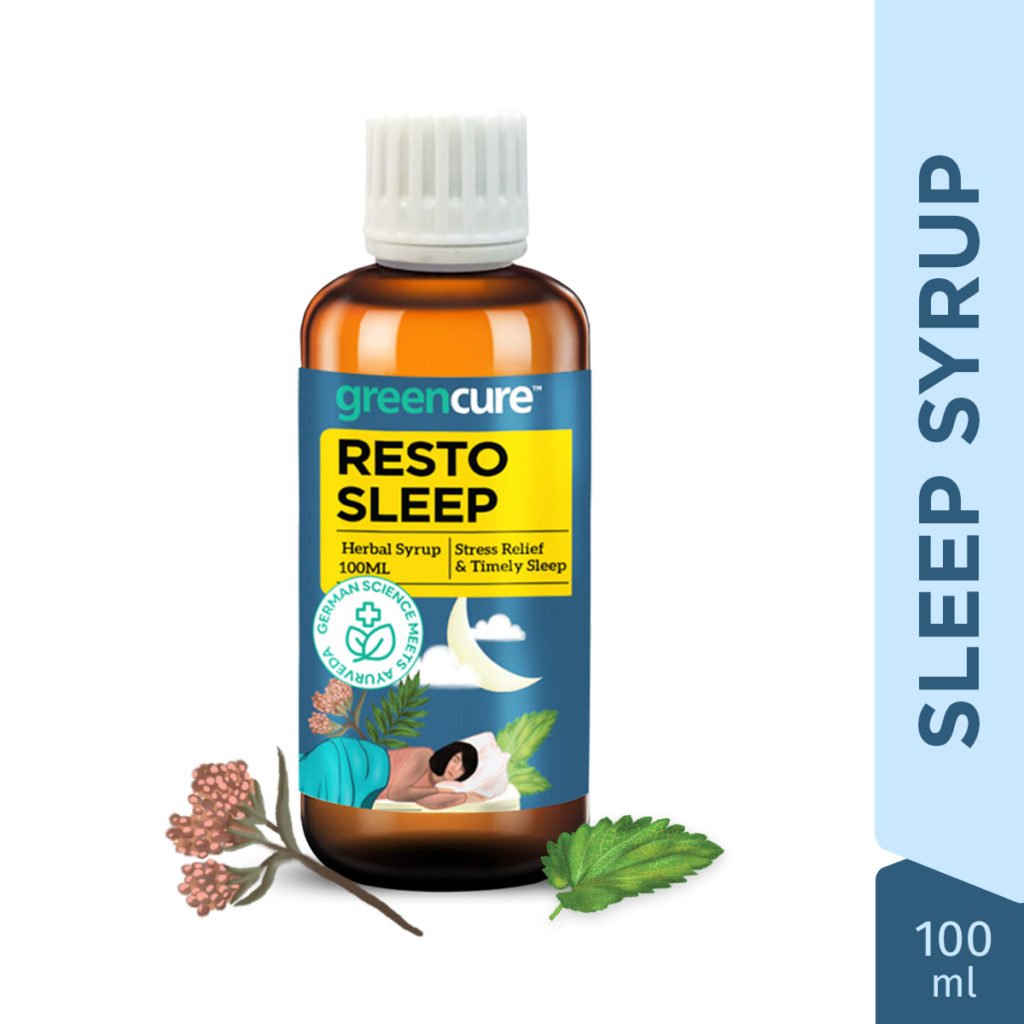
One such product that can put your mind and body at ease is Restosleep. Infused with the goodness of natural ingredients, Restosleep is the answer to most of your sleep- related problems. It is a unique herbal formula that promotes DEEPER and LONGER SLEEP– The #1 Ingredient for a Healthy Life!

5 Things that are Messing with your Sleep!

GOOD SLEEP is the #1 Ingredient for a Healthy Life and holds as much importance as nutrition or exercise. A good night’s sleep is one of life’s necessities, helping our bodies grow, repair tissue, replenish cells and restore energy. Something so vitally important to your overall health and longevity should not be taken lightly. 
Here is a quick rundown of 5 reasons that may be giving you a hard time getting a good night’s sleep.

1. Digital Distractions

Feed-scrolling your Instagram or binge-watching your favorite Netflix show at bedtime stimulates your brain, instead of winding it down, and makes it tougher to get a good night’s sleep.

2. Stress & Anxiety

People who think about their problems constantly, or ignore it completely have higher rates of insomnia than those who handle it with positive reframing, religion, and sharing with others.

3. Napping during the day

Short Naps can help tackle the day with an extra burst of energy, but longer naps can throw your body off and make it harder for you to fall asleep at night. Excessive daytime sleepiness may suggest a sleep disorder like sleep apnea.

4. Working in your bed

Using the bed for activities like working, reading or watching TV creates an association with wakefulness and makes it difficult to sleep at night. Your bedroom is a sleep sanctuary. Keep your bed solely for sleeping.

5. Drinking caffeine and alcohol before going to bed

Having a drink before bed may help a person relax and unwind. But drinking, especially the closer you get to sleep, will actually do you more harm than good. While it may help you fall asleep quickly, it disrupts your sleep later at night.

6 Surprising Benefits of a Good Night’s Sleep!

‘Early to bed and early to rise makes a man healthy, wealthy, and wise. This poem recited to us in our childhood was our first lesson on how sleep plays an important role in our daily lives. But have we really been taking our learnings seriously? Running behind deadlines has got us losing sleep, making it a luxury rather than a necessity. 
Sleep is an essential component of our overall health and well-being. It is important as it enables the body and mind to recharge, leaving us refreshed and alert when we wake up.
Read on to know 6 benefits of Good Sleep…

Sharp Brain

It is said that your brain works hard even when your body is at rest. Sufficient Sleep enhances memory, boosts creativity and improves alertness. It is also known to have positive effects on Mental Health.

Stronger Immunity

Getting enough sleep boosts the immune system, energises the body and prepares the immune cells to fight off whatever comes their way. According to well-rested sleep specialists, proper sleep can also make vaccines more effective.
Weight Control

Being sleep-deprived messes with the hormones that control appetite and your resistance to the temptation of unhealthy foods goes down. Getting a good night’s sleep can help you consume fewer calories, which will help you lead a healthier life and fight health problems.
Healthy Heart

Good Sleep improves general health like heart control and metabolism. Not getting enough sleep can lead to heart health problems like high blood pressure or heart attacks. 
Better Mood

Not getting enough sleep harms your social life by draining the energy to interact. If you sleep well, you wake up feeling rested. Being well rested helps your energy levels soar and keeps your mood cheery & fresh all day.
Longer Life

Too much or too little sleep is associated with a shorter lifespan and also affects the quality of life. If you sleep better, you certainly live better and longer.
On average, regularly sleeping for more than 9 hours a night may do more harm than good. Research has found that people who slept longer than necessary had more calcium buildup in their heart arteries and less flexible arteries, too! 
Proper duration and good quality sleep enhances your performance to deliver in all walks of life, be it at the university or corporate level. Hence, building healthy habits to get the right amount of sleep is necessary to face the world with your best foot forward.